
The Pros and Cons of New Builds vs. Resale Homes
written by Brandon Axley
When buying a home, one of the first major decisions many buyers face is whether to purchase a new construction home/new build or a resale home. Both options can be excellent, but they come with different trade-offs. The right choice depends on your budget, timeline, lifestyle, and how long you plan to live in the home.
Below is a practical breakdown of the pros and cons of new builds versus resale homes to help buyers make an informed decision.
What Is a New Build?
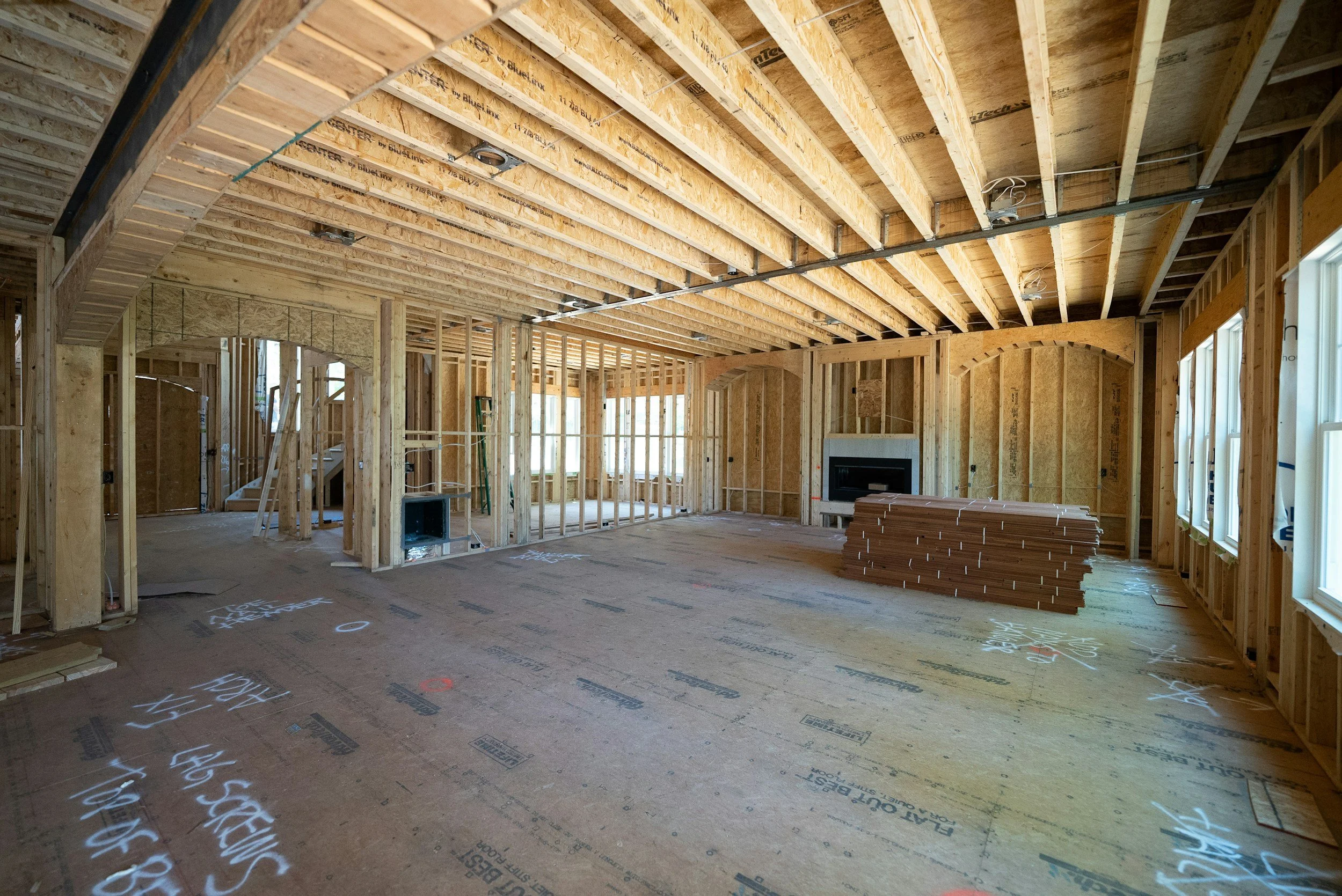
A new build is a home that has never been lived in before. These homes are typically located in newly developed or expanding communities and generally fall into two categories:
Spec homes, which are already built or nearly complete
To-be-built homes, which are constructed after a buyer goes under contract and may allow for customization
New construction homes are usually sold directly by builders and often come with incentives tied to preferred lenders or move-in timelines.
What Is a Resale Home?
A resale home is any previously owned property, ranging from homes built just a few years ago to much older properties.
Resale homes are typically located in established neighborhoods with completed infrastructure and a known community feel.
Pros of New Build Homes
Modern Design and Energy Efficiency
New builds are designed with today’s buyers in mind. Open floor plans, modern kitchens, energy-efficient windows, updated insulation, and newer mechanical systems are standard, often resulting in improved comfort and lower utility costs.
Minimal Immediate Maintenance
Because everything is brand new, buyers typically face fewer repairs early on. Builder warranties may cover structural components and major systems for a defined period.
Competitive Financing Options
Many builders work with in-house or preferred lenders, which allows them to offer incentives that are often not available on resale homes. These may include below-market interest rates, temporary or permanent rate buy-downs, and reduced closing costs. In some cases, these incentives can meaningfully lower a buyer’s monthly payment.
Builder Incentives and Move-In Packages
Builders may offer incentives such as closing cost credits, appliance packages, design upgrades, or landscaping. These offers change frequently and are often tied to market conditions or move-in timelines.
Pricing Can Be Competitive
Especially in certain market conditions, new builds are not always more expensive than resale homes. In Colorado right now, many builders are pricing new homes competitively and offering incentives to attract buyers. In some areas, buyers may find new construction homes priced similarly to—or even below—comparable resale homes when financing incentives are factored in.
Cons of New Build Homes
Metro Districts and Special Taxes
Many new communities are located in metro tax districts or special improvement districts. These districts help fund infrastructure such as roads, parks, and utilities, but they can result in higher property taxes. Buyers should evaluate the total monthly payment, not just the purchase price.
Ongoing Construction
Living in a new development often means living around active construction. Noise, dust, truck traffic, and unfinished amenities are common, and construction can continue for several years in some communities.
Resale Timing Risk
Buyers planning to sell within a short timeframe—often two to three years—should be cautious. During that period, resale sellers may be competing directly with the builder, who could still be offering brand-new homes with incentives that resale sellers cannot match.
Builder-Drafted Contracts
Unlike resale transactions, which typically use the standardized Colorado contract to buy and sell real estate, new build purchases are almost always governed by builder-drafted contracts. These contracts are designed primarily to protect the builder and often provide buyers with fewer rights and remedies. Builders may retain more flexibility around timelines, completion dates, and material substitutions, and buyers generally have limited ability to negotiate terms.
Less Established Neighborhoods
New communities typically lack mature landscaping and the character that develops over time.
HOA Rules and Restrictions
Most new builds are part of homeowner associations, which may include stricter rules regarding exterior changes, rentals, or landscaping.
Pros of Resale Homes
Established Neighborhoods
Resale homes are typically located in fully developed neighborhoods with completed infrastructure, mature trees, and a clear sense of place. Buyers know what the area looks and feels like day to day, without the uncertainty of future construction or changing surroundings.
More Predictable Tax Structures
In many cases, resale homes are located outside of metro districts or special improvement districts. While property taxes can still vary, buyers often benefit from a more established and predictable tax structure compared to newer developments.
Location Advantages
Resale homes are often closer to job centers, schools, parks, and established shopping and dining areas. This can mean shorter commutes and easier access to daily amenities, especially in older or centrally located neighborhoods.
Easier to Evaluate Value
With resale homes, buyers can review recent neighborhood sales, pricing trends, and historical appreciation more easily. This makes it simpler to evaluate whether a home is fairly priced and how it may perform as a long-term investment.
Cons of Resale Homes
Maintenance and Repair Costs
Older homes are more likely to require repairs or replacements over time. Roofs, HVAC systems, plumbing, and electrical components may be nearing the end of their useful life, leading to higher maintenance costs.
Lower Energy Efficiency
Unless a resale home has been updated, it may not match the energy efficiency of new construction. Older windows, insulation, and mechanical systems can result in higher utility bills.
Renovation Expenses
Buyers may need or want to invest in cosmetic updates or renovations to bring a resale home in line with modern preferences. These costs can add up quickly and should be factored into the overall budget.
Competitive Market Conditions
In desirable or well-established neighborhoods, resale homes can attract multiple offers. This can limit negotiation flexibility and, in some cases, drive prices higher.
Final Thoughts
New builds and resale homes both offer meaningful advantages and real trade-offs. The best option isn’t about what’s “better,” but about what aligns with your goals, timeline, and financial comfort.
Working with a knowledgeable local real estate professional who understands both new construction and resale transactions can help buyers navigate these differences and avoid costly surprises.
With a purchase of a New Build or a Resale home, Appreciate Realty can help you achieve all your real estate goals!