
Autumn Home Checklist
The leaves are changing, the days are getting shorter, and those cooler Colorado temperatures are right around the corner. Before you trade patio season for cozy nights inside, fall is the perfect time to prepare your home for freezing temperatures, snow, and winter weather.
A little maintenance now can help prevent expensive repairs later. Use this checklist to get your home ready for another Colorado winter.
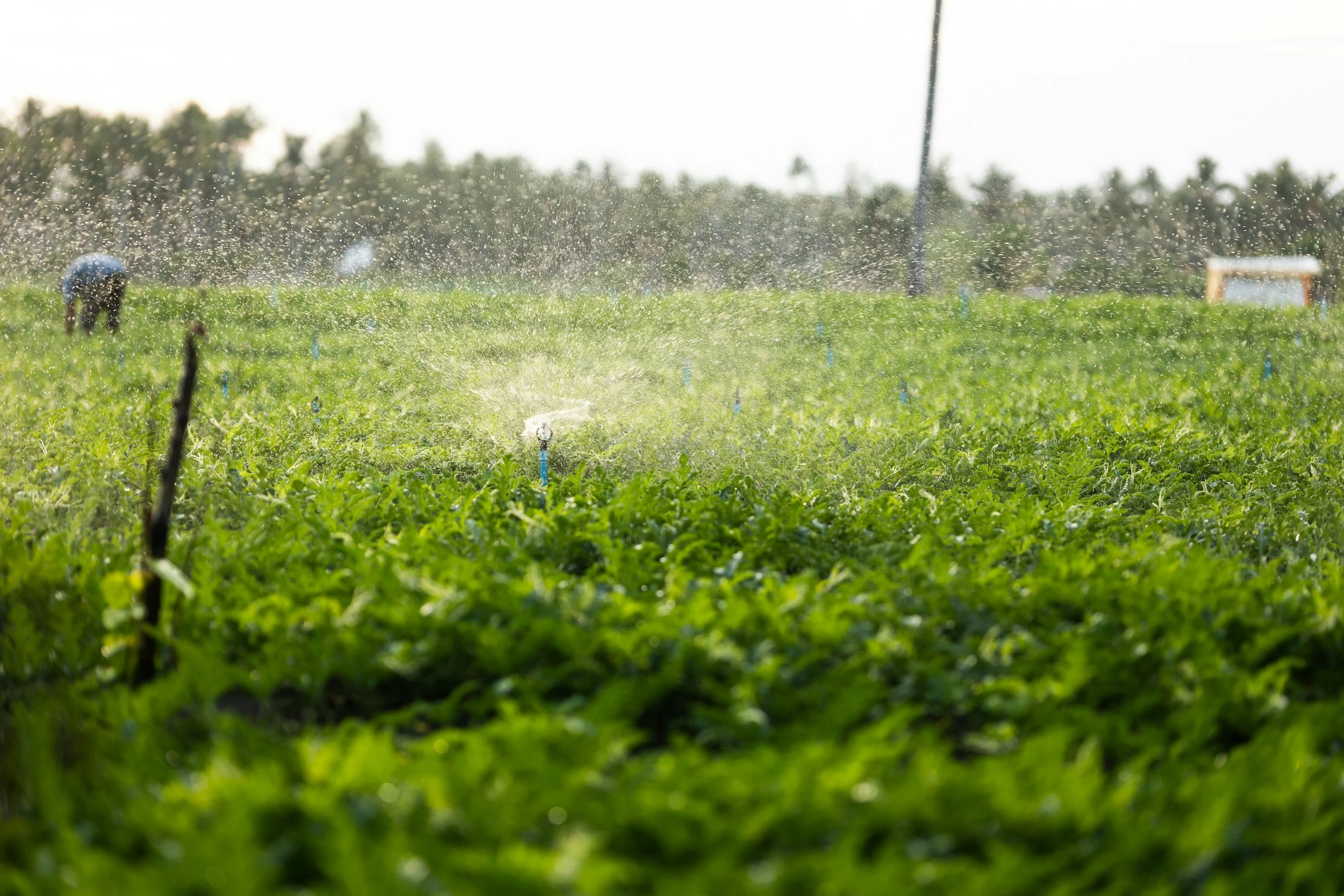
1. BLOW OUT YOUR SPRINKLERS
This is one of the most important fall maintenance tasks for Colorado homeowners.
Before freezing temperatures arrive, have your irrigation system professionally blown out and winterized. Water left in sprinkler lines, valves, or backflow preventers can freeze, expand, and cause costly damage.
Don't wait for the first hard freeze - schedule your sprinkler blowout early in the season, especially since irrigation companies can get booked quickly.
Colorado tip: Once your system has been winterized, avoid turning it back on unless it is specifically designed for winter use.
2. Disconnect Hoses & Winterize Exterior Faucets
Before temperatures drop below freezing:
Disconnect and store garden hoses
Drain water from hoses and outdoor spigots
Shut off interior water supply valves to exterior faucets, if applicable
Open the exterior faucet briefly to drain remaining water
Install insulated faucet covers if appropriate
Taking a few minutes to winterize your outdoor plumbing can help reduce the risk of frozen and burst pipes.
3. Clean Gutters & Check Your Roof
Fall leaves and debris can quickly clog gutters and downspouts. Clean them out and make sure downspouts direct water several feet away from your foundation.
While you're up there - or working with a professional - look for:
Missing or damaged shingles
Cracked or loose flashing
Damaged vents
Signs of leaks
Debris accumulating on the roof
Getting these issues addressed before snow and ice arrive can help prevent water damage during the winter.
4. Seal Drafts & Air Leaks
If you can feel cold air coming through your windows or doors, your home may be losing valuable heat.
Check around:
Windows
Exterior doors
Door frames
Baseboards
Utility penetrations
Weatherstripping and caulk can be inexpensive ways to reduce drafts. A door sweep can also help seal the gap underneath exterior doors.
Bonus: Sealing air leaks can make your home more comfortable and may help reduce heating costs throughout the winter.
5. Service Your Furnace & HVAC System
Don't wait for the first major cold snap to discover your furnace isn't working properly.
Before winter:
Replace your HVAC filter
Test your furnace
Schedule a professional inspection or tune-up
Check vents and registers for obstructions
Pay attention to unusual noises or smells
If you have a humidifier or other indoor air-quality equipment, fall is also a good time to clean and service it.
6. Check Your Water Heater
Your water heater works harder during the colder months, so give it a quick inspection before winter.
Look for:
Leaks or puddles
Rust or corrosion
Unusual noises
Damaged connections
If your water heater is older or showing signs of trouble, consider having a professional inspect it.
7. Test Smoke & Carbon Monoxide Detectors
Fall is a great time to make sure your safety systems are working properly—especially before you start using your furnace, fireplace, or other heating equipment regularly.
Test your:
Smoke detectors
Carbon monoxide detectors
Fire extinguishers
Replace batteries when needed and check the age of your detectors. If a detector has reached the end of its recommended service life, replace it rather than simply changing the battery.
8. Prepare Your Yard & Trees
Colorado's fall weather can bring snow, wind, and heavy branches, so take a walk around your property before winter arrives.
Look for:
Dead or damaged tree limbs
Weak branches near your home
Leaves covering the lawn
Damaged fences or gates
Standing water
Outdoor lighting that needs attention
Remove smaller dead branches yourself and consider hiring a qualified tree professional for larger or potentially dangerous limbs.
You can also mulch leaves into your lawn or rake them up, depending on your landscaping needs. Avoid piling excessive mulch directly against tree trunks.
9. Clean & Store Outdoor Furniture and Equipment
As patio season comes to an end, clean and properly store your outdoor furniture and equipment.
Before storing:
Clean patio furniture
Cover or store furniture in a protected area
Clean gardening tools
Drain and store hoses
Clean lawn equipment
Follow manufacturer recommendations for winterizing mowers and other gas-powered equipment
Proper storage can help extend the life of your outdoor equipment and make spring cleanup much easier.
10. Inspect Your Driveway, Walkways & Deck
Before snow and ice arrive, check your hardscaping and outdoor living spaces for damage.
Look for:
Cracks in concrete or asphalt
Uneven walkways
Loose pavers
Damaged deck boards
Loose railings
Rot or soft spots
Addressing small problems now can help prevent them from becoming larger issues after repeated freeze-and-thaw cycles.
11. Check Your Basement & Foundation
Fall is a good time to look for signs of moisture before winter snow and spring runoff arrive.
Walk around your home and check for:
New foundation cracks
Water stains
Damp or musty areas
Standing water near the foundation
Soil that slopes toward the house
Make sure your gutters, downspouts, and grading are directing water away from your foundation.
If you have a sump pump, test it before the next major storm and make sure your backup system is functioning properly.
12. Get Your Home Ready for Snow
Finally, make sure you're prepared for the first big snowstorm of the season.
Before winter, check that you have:
A working snow shovel
Working exterior lights
A functioning snow blower, if you use one
Clear access to your electrical panel, furnace, and water shutoff
Emergency supplies on hand
It's much easier to discover your snow blower needs maintenance before the first foot of snow.
A Little Fall Maintenance Goes a Long Way
Colorado winters can be unpredictable, but a little preparation can make a big difference.
From scheduling your sprinkler blowout to checking your furnace, gutters, roof, and exterior plumbing, spending a weekend tackling these tasks can help protect your home and prevent costly surprises later.
Get it done now, then enjoy everything Colorado fall has to offer.