
Cool Colorado Towns Off the Beaten Path
Crestone: Tucked into the base of the Sangre de Cristo Mountains, tiny Crestone - an official DarkSky International Community - has been given the nickname “New Age Capital of the World”. Crestone is a major hub for world religions with more than two dozen retreat centers. There is a Hindu temple, a Zen center, a Tibetan Buddhist center, and two Stupas, to name a few.
It’s also the setting for alternative, off-grid living. You'll find a mix of straw-bale, silo, and rammed-earth homes on dirt roads. The Crestone Group of the Sangre de Cristo mountains contain some of the state’s most beloved fourteeners (Crestone Peak, Crestone Needle, Kit Carson, and Humboldt), with world-class trails around and up their slopes.
After a day of mountain adventures, there are a handful of good restaurants and fascinating art galleries to explore in the 8-square-block town. Spiritualists can’t resist Crestone.
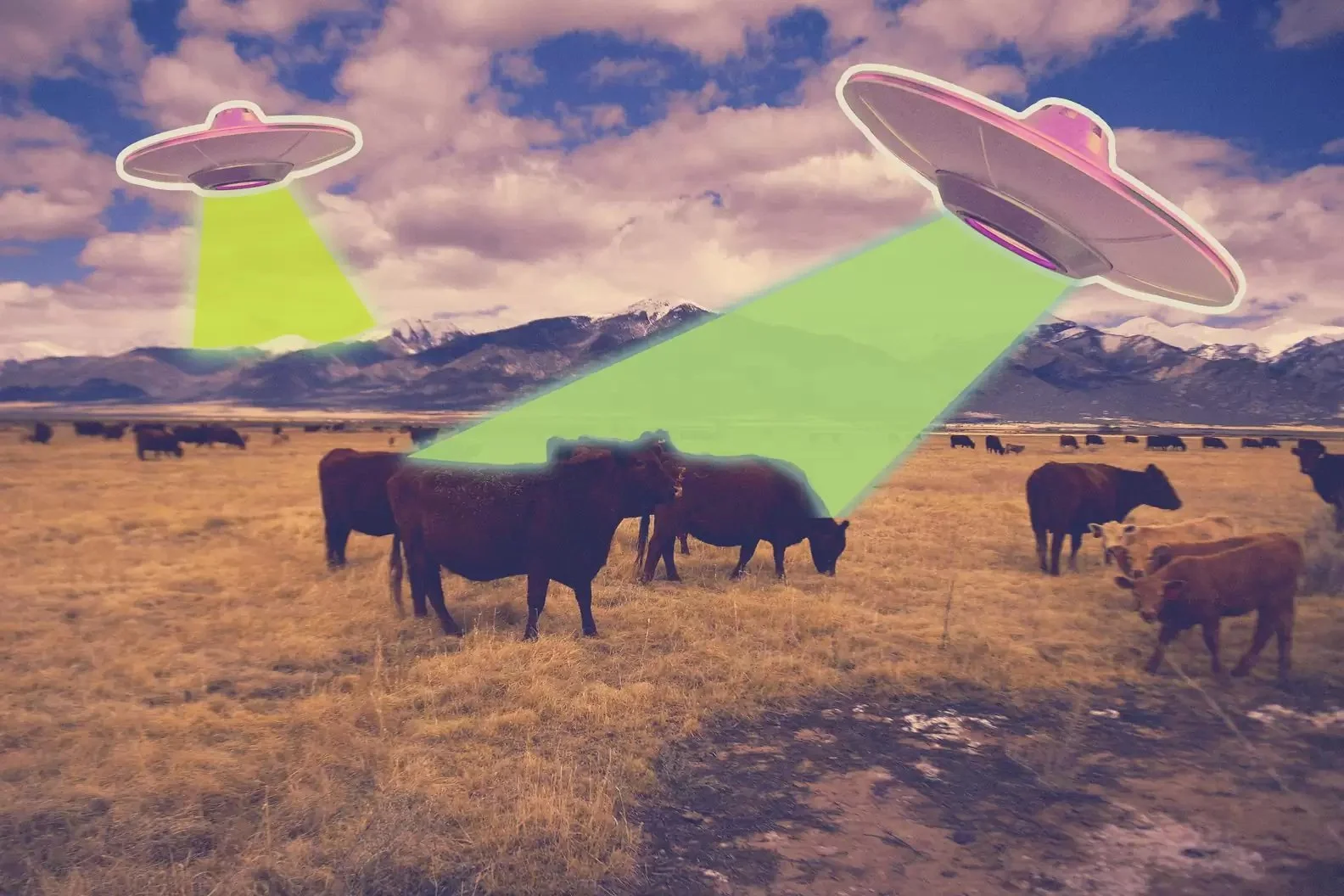
Hooper: Just down the road from Crestone in the San Luis Valley, this tiny town is home to the famous UFO Watchtower, built for sky-watchers who flock to the area to investigate frequent reports of unexplained aerial phenomena. Go see Spielberg’s new alien movie Disclosure Day, then visit the Colorado UFO Watchtower.
Rye: Located in Pueblo County, this tiny community is best known as the location of Bishop Castle, a massive, multi-story medieval fortress with wrought-iron bridges and fire-breathing dragon sculptures, hand-built by one man over 50 years. The Bishop Castle is not one to miss!
Ouray: Known as the “Switzerland of America”, this beautiful mountain town is home to a few of Colorado’s most haunted places. Paranormal encounters have been reported at places like the Beaumont Hotel, the Western Hotel, the Ouray Museum, and the Ouray cemetery. By day, enjoy the fantastic trails and climbing areas (including a via ferrata). Relax in the hot springs pool before dining at one of the delicious restaurants.
Manitou Springs: Manitou Springs, just west of Colorado Springs, is another magical place to explore. The Manitou Cliff Dwellings and infamously difficult Manitou Incline are definitely worth a visit.
Mosco: Are you missing the bayou? Check out hundreds of rescued reptiles like alligators, crocodiles, boas, pythons, rattlesnakes, bearded dragons, iguanas, and more at the Colorado Gators Reptile Park. Even the gator from the movie Happy Gilmore lived here at one time. What started as a tilapia fish farm north of Alamosa has grown into a sanctuary and education center with a focus on maintaining an ecosystem.
Fruita: A mountain-biking mecca on the Western Slope best known for a chicken who lived without a head for 18 months, the story of Mike the Headless Chicken is one you just have to research for yourself. Visit for the mountain biking and stay for the vibrant arts scene, live music, local brews and food. Fruita will not disappoint.
Creede: A historic silver mining town in remote Mineral County with a main street that runs right into a sheer 300’ volcanic rock wall, Creede offers plenty to keep you busy. Oddities include a 40’ long fork sculpture sitting outside the Cascada Bar and Grill, which offers tasty Mexican food. Plus the world’s only fire station built into a cave, and a highly acclaimed professional repertory theater company. Enjoy trails galore for running/hiking/biking with waterfalls, or go fishing or relax on some beautiful drives. The popular Bachelor Loop 17-mile alpine scenic drive takes you through old 1890s mining camps and ghost towns. Nearby is the Wheeler Geologic Area, which features bizarre, alien-like rock formations that some call "Dante's Lost Souls".
Dearfield: Dearfield is a historically significant, deserted Black agricultural settlement on the Eastern Plains in Weld County. Founded in 1910 by Oliver Toussaint Jackson, it is Colorado’s largest historic Black homesteading colony. Located roughly 30 miles east of Greeley, it eventually dissolved during the Great Depression and Dust Bowl. At its 1920s peak, the town boasted over 700 residents, a school, churches, a restaurant, and a dance hall. Droughts and the Dust Bowl forced the vast majority of residents to leave by 1940. The site is a registered Colorado Historic Landmark. Only a handful of weathered buildings (such as the founder's home, a gas station, and a diner) remain standing.